English
 简体中文
简体中文
 粵語
粵語
 Arabic
 French
 Spanish
 Portuguese
 Deutsch
 Turkish
 Dutch
Dutch
 Italiano
 Russian
 Romaian
 Portuguese (Brazil)
 Greek
Greek

从迷茫到圆梦:一个单人开发者的五年心路
Games |
2026-07-17 01:43:30
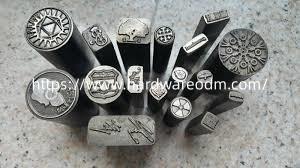
Machined components are closely connected with the materials from which they are produced. Aluminum, steel, stainless steel, brass, and other metals can provide different combinations of strength, corrosion resistance, weight, machinability, and surface appearance. The appropriate choice depends on the working environment and the component's position within the final product. Instead of selecting a material based only on appearance or familiarity, buyers should consider how it will interact with surrounding parts and what kind of service conditions the finished assembly will encounter.
Aluminum is often considered when lightweight construction and convenient machining are important. Its relatively easy processing characteristics can support housings, brackets, structural parts, and other components where weight management matters. Steel may be preferred when a stronger structural foundation is required, while stainless steel can be considered when resistance to corrosion and a clean appearance are important. Brass can also be useful for components where its processing characteristics and distinctive appearance fit the application.
Material selection should also take the production environment into account. Components used near moisture, chemicals, dust, heat, or repeated mechanical movement may require different material considerations from parts used in a clean indoor environment. Buyers should communicate the intended application clearly so that the manufacturer can evaluate material compatibility before production begins.
The purchasing process should begin with the function of the component rather than its external shape. A small machined part may serve as a connector, support, guide, spacer, mounting element, enclosure component, or moving interface. Each role creates different requirements for structural design and interaction with other parts. Understanding the component's purpose helps buyers discuss the most appropriate material, machining method, surface treatment, and assembly arrangement with the supplier.
Compatibility is another important purchasing consideration. A component rarely operates independently. It normally needs to fit with shafts, fasteners, bearings, housings, frames, covers, or other mechanical parts. A good purchasing process therefore considers the complete assembly instead of evaluating one component in isolation. Providing drawings, samples, application descriptions, or assembly information can help manufacturers understand how the part needs to function.
Manufacturing technology has a direct relationship with component consistency. CNC machining can support the production of complex shapes and repeatable features, while turning, milling, drilling, tapping, grinding, and other processes can be combined according to the structure of the part. The most suitable process depends on the geometry, material, surface requirements, and intended application.
For customized products, production flexibility can be particularly useful. OEM projects may involve components that differ from standard catalog parts because of a specific machine structure or product concept. A manufacturer with experience in custom processing can discuss the design before production and identify potential manufacturing considerations early. This communication can help reduce unnecessary changes during later assembly.
Surface treatment can also influence both function and appearance. Depending on the material and application, processes such as anodizing, polishing, plating, painting, passivation, or other finishes may be considered. A surface treatment can change the visual character of a component while also supporting requirements related to corrosion resistance, wear, cleaning, or surface protection.
Functional design should consider how the component behaves during actual use. Edges, holes, threads, mounting areas, grooves, and contact surfaces all contribute to the relationship between the part and its surrounding assembly. A thoughtfully designed component can make installation more straightforward and reduce unnecessary interference with nearby parts.
User experience begins before the equipment is put into operation. Installation personnel need components that are easy to identify, handle, position, and connect. Logical geometry and appropriate mounting features can make assembly more convenient. When components are designed with the installation process in mind, technicians can spend less time making adjustments or resolving avoidable fitting problems.
Maintenance is another part of the user experience. Industrial equipment may require inspection, cleaning, replacement, or adjustment during its service life. Components that are difficult to access can increase maintenance effort, even when their basic mechanical function is suitable. Buyers should therefore consider how the part will be inspected or replaced after installation, not only how it performs during initial operation.
The relationship between individual components can also influence maintenance efficiency. A well-organized assembly allows technicians to understand which parts need attention and how they connect with neighboring elements. Clearly defined mounting areas and accessible fastening arrangements can make routine service work easier to manage.
Appearance has a practical role in modern industrial products as well. Machined components may be visible in machinery, consumer products, automation equipment, tools, or professional devices. Clean surfaces, consistent edges, orderly holes, and appropriate finishing can create a more refined appearance. For OEM manufacturers, visual consistency between different components can also support the overall identity of a finished product.
Design and appearance should remain connected with practical function. A visually attractive component is not necessarily suitable if its geometry makes installation or maintenance difficult. Similarly, a simple-looking part may provide excellent usability when its structure has been carefully considered. Good industrial design balances visual order with mechanical purpose.
Customization becomes especially valuable when standard parts cannot provide the required combination of material, structure, surface treatment, and installation method. Yongkang Ruizan Industry and Trade Co., Ltd. focuses on customized processing and metal product development, allowing buyers to discuss component concepts according to their equipment or product requirements. This type of cooperation can be useful for OEM projects where the component must fit an existing assembly or a newly developed product.
Communication between the buyer and manufacturer is an important part of customized machining. Clear drawings, application descriptions, material preferences, surface requirements, and assembly information can give the production team a better understanding of the intended result. Early technical communication can also reveal opportunities to simplify a design or make manufacturing and assembly more practical.
Quality management should be considered throughout the production process rather than only during final inspection. Material preparation, machining, surface treatment, cleaning, assembly, and inspection can all influence the condition of a finished component. Consistent processes help manufacturers maintain repeatability across different production batches and support buyers who need dependable components for ongoing product development.
For engineers and purchasing teams, evaluating material compatibility, component function, machining processes, surface treatment, assembly, maintenance, user experience, and visual design provides a practical framework for selecting customized metal parts. These factors help connect an individual component with the larger product and make supplier communication more effective.
Yongkang Ruizan Industry and Trade Co., Ltd. works with customized metal processing and product development, supporting applications where components need to be coordinated with specific product structures. Its approach to custom manufacturing can help buyers discuss material choices, processing methods, surface finishing, assembly requirements, and product appearance during the development process.
For more information about Yongkang Ruizan Industry and Trade Co., Ltd. and its customized metal processing solutions, visit https://www.hardwareodm.com/product